You may believe that you have fulfilled your part in the democratic process when you cast your ballot. What follows, though, is a meticulously planned procedure that guarantees each vote is tallied, confirmed, and validated in order to preserve the integrity of our elections. Voters who comprehend this process may become more appreciative of the effort that goes on behind the scenes and have faith in the system.
- Collecting and Counting Votes.
- The first stage is to gather and tally the ballots once the polls shut. This could include the following, depending on the voting method:
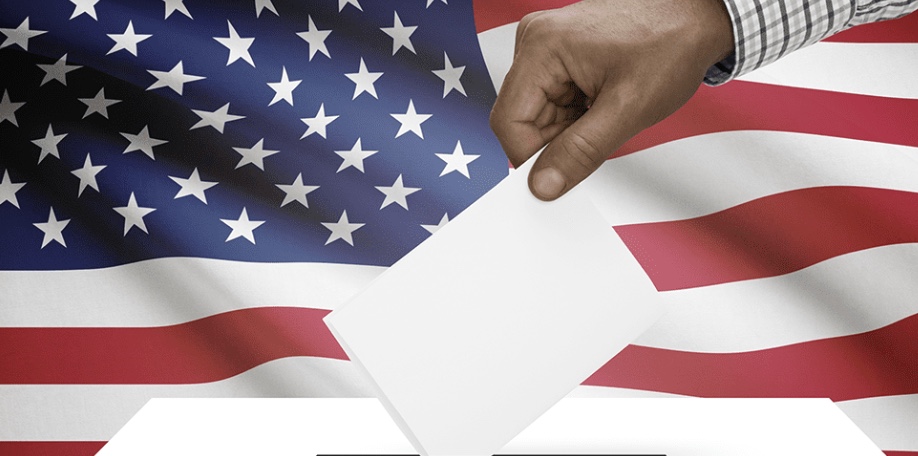
- In-person votes: These are often tabulated at the polling place using electronic systems. The machines record and transmit the results securely to election headquarters.
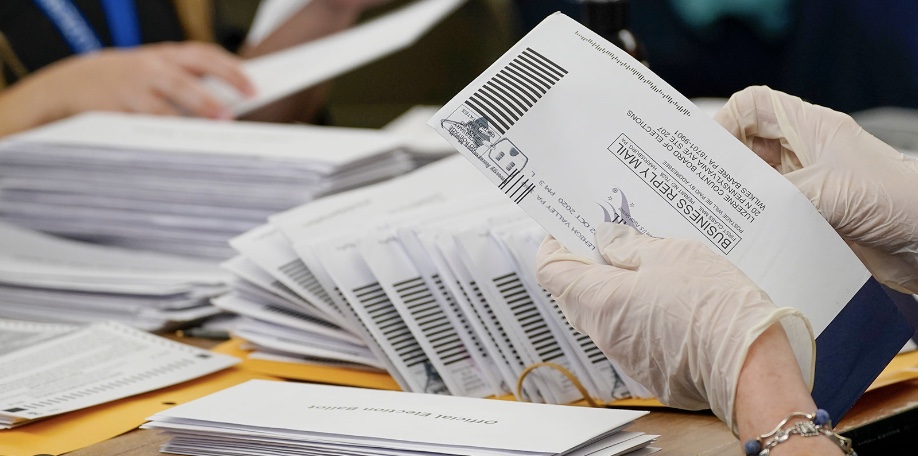
- Before being opened and counted, absentee and mail-in ballots are compared to voter records. Because ballots that were postmarked on Election Day can still arrive in the days that follow, this process could take several days.
- Ballots are counted under close supervision to guarantee accuracy, frequently with the presence of bipartisan or nonpartisan observers.
- The first stage is to gather and tally the ballots once the polls shut. This could include the following, depending on the voting method:
- Reporting Preliminary Results
- Results on election night are usually not official. As precincts tally their ballots and send the information to the central election offices, they are reported. Although these preliminary figures provide a sense of the results, they exclude provisional ballots, late-arriving mail-in ballots, and any other ballots that need further confirmation.
- Verifying and Canvassing Results
- Canvassing, a thorough procedure that confirms the correctness of the original count, is the next step. Election officials:
- Compare the totals from several precincts.
- Make certain that the count includes each and every legal ballot.
- Examine and address inconsistencies, such as ballot damage or mismatched numbers.
- Provisional ballots, or those cast by voters whose eligibility wasn’t immediately apparent, are assessed during this stage. The voter’s ballot is included in the count if their eligibility is verified.
- Canvassing, a thorough procedure that confirms the correctness of the original count, is the next step. Election officials:
- Certifying the Results
- The election results are formally validated after the canvassing procedure is finished. The last stage, certification, verifies the election’s validity and names the winners. States have different certification deadlines, but generally speaking, certification takes place weeks after election day to give time for comprehensive results verification.
- Safeguards Against Fraud and Errors
- Election systems are strengthened with several levels of security during the certification and counting process, including:
- procedures for the chain of possession to stop ballot manipulation.
- audits conducted after the election to verify the precision of the tabulation procedures and voting devices.
- nonpartisan observers’ oversight to maintain openness.
- Election systems are strengthened with several levels of security during the certification and counting process, including:
Why It Matters…
This multi-step procedure preserves faith in the democratic system while guaranteeing that elections represent the choice of the people. The system strikes a compromise between speed and accuracy—two crucial elements of a fair election—by taking the time to meticulously and openly count each vote.
Voters can better comprehend the complex and vital procedures that protect democracy by knowing what occurs after Election Day. This machinery is started by your vote, and each subsequent action is intended to respect the voice you have contributed to the country’s collective decision-making.
“Voting is the expression of our commitment to ourselves, one another, this country and this world.”
– Sharon Salzberg
 Future Voters!
Leave a comment