

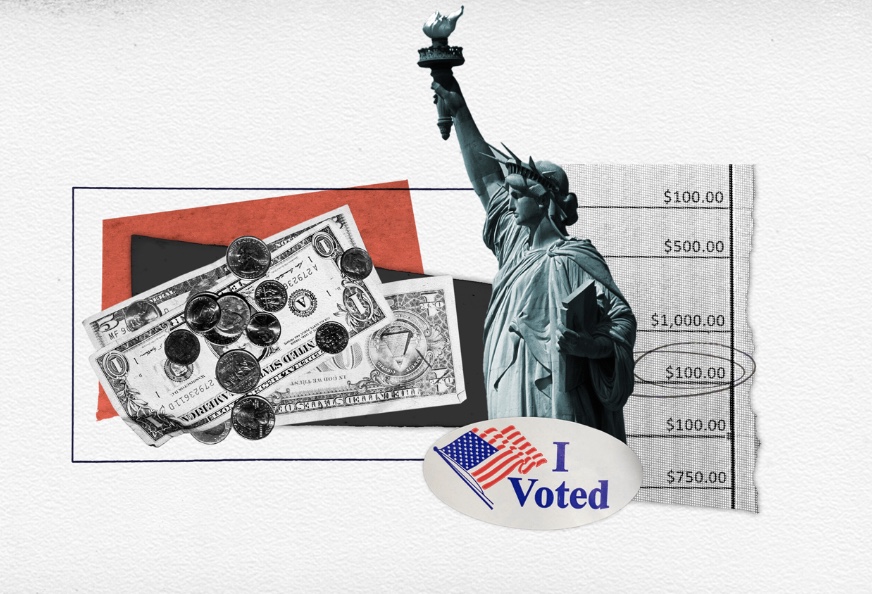
Political campaigns require significant resources to reach voters, promote messages, and ultimately secure victory. Campaign financing plays a crucial role in shaping the political landscape, yet many young voters may find the topic complex and overwhelming. Understanding how campaign financing works can empower young voters to make informed decisions and hold candidates accountable.
- What Is Campaign Financing?
- Campaign financing refers to the money raised and spent by candidates, political parties, and organizations to promote their campaigns. Funds are used for advertisements, staffing, travel, event hosting, and outreach efforts, all of which are vital to gaining voter support.
- There are two main sources of campaign funding:
- Public funding: Money allocated by the government to eligible candidates.
- Private funding: Contributions from individuals, corporations, Political Action Committees (PACs), Super PACs, and other groups.
- There are two main sources of campaign funding:
- Campaign financing refers to the money raised and spent by candidates, political parties, and organizations to promote their campaigns. Funds are used for advertisements, staffing, travel, event hosting, and outreach efforts, all of which are vital to gaining voter support.
- Key Terms to Know
- To better understand campaign financing, here are some important terms:
- Hard Money: Funds contributed directly to a candidate’s campaign, subject to strict limits and disclosure requirements.
- Soft Money: Money donated to political parties for “party-building activities,” not directly tied to a candidate, with fewer regulations.
- PACs and Super PACs: Political Action Committees raise money to support candidates or issues. Super PACs can raise unlimited funds but cannot coordinate directly with candidates.
- Dark Money: Contributions made to nonprofit organizations that are not required to disclose their donors, raising transparency concerns.
- To better understand campaign financing, here are some important terms:
- Why Campaign Financing Matters
- The way campaigns are financed can influence:
- Policy Priorities: Candidates may feel indebted to large donors, potentially affecting their decisions in office.
- Fair Competition: Candidates with access to more funding often have a significant advantage in reaching voters.
- Transparency and Accountability: Knowing who funds a campaign helps voters understand potential influences on candidates.
- The way campaigns are financed can influence:
- The Role of Regulations
- Campaign financing in the United States is regulated by laws overseen by the Federal Election Commission (FEC). Key legislation includes:
Federal Election Campaign Act (FECA): Sets limits on contributions and mandates disclosure of donors.
Bipartisan Campaign Reform Act (BCRA): Also known as the McCain-Feingold Act, this law aimed to reduce the influence of soft money.
Citizens United v. FEC (2010): A landmark Supreme Court decision that removed restrictions on corporate and union spending in elections, leading to the rise of Super PACs.
5. How to Evaluate a Candidate’s Funding
To make informed decisions, young voters should:
Research Donation Sources: Use tools like the FEC’s website or OpenSecrets.org to explore a candidate’s donors and spending.
Look for Patterns: Identify if a candidate relies heavily on large donors, grassroots funding, or contributions from specific industries.
Consider the Impact: Reflect on how campaign contributions might influence a candidate’s policies.
6. What Young Voters Can Do
Understanding campaign financing isn’t just about knowledge; it’s also about action. Here are some steps you can take:
Support Transparency: Advocate for stronger disclosure laws and regulations that prioritize fair elections.
Donate Wisely: If contributing to a campaign, choose candidates whose funding aligns with your values.
Get Informed: Stay educated about the role of money in politics and how it affects elections.
The Power of Your Vote
While money is a powerful force in politics, your vote remains the ultimate equalizer. Campaign financing may shape the playing field, but young voters have the ability to decide the outcome. As President John F. Kennedy once said, “Let every nation know… that we shall pay any price, bear any burden… to assure the survival and the success of liberty.” Participating in elections ensures that liberty and fairness prevail over the influence of big money.
Stay engaged, ask questions, and let your voice be heard. For more resources on voting and political engagement, visit futurevoterschroder.com. Together, we can build a more transparent and equitable democracy.
- Campaign financing in the United States is regulated by laws overseen by the Federal Election Commission (FEC). Key legislation includes:



 Future Voters!
Leave a comment