In every election, young voters play a critical role in shaping the nation’s future. Political parties understand the significance of this demographic and have adopted innovative strategies to engage and mobilize them. Understanding these strategies can help young voters make informed choices and take an active role in the democratic process.
As former President Franklin D. Roosevelt famously said, “Nobody will ever deprive the American people of the right to vote except the American people themselves, and the only way they could do this is by not voting.” This quote underscores the importance of participating in elections, and political parties work hard to ensure young voters are inspired to head to the polls.


- Social Media Campaigns: Meeting Young Voters Where They Are
- Political parties now depend heavily on social media sites like YouTube, Instagram, TikTok, and Twitter. Candidates can use these venues to present their policies in interesting ways, such as live Q&A sessions, infographics, and brief movies. For example, TikTok challenges and viral posts gained popularity as a means of engaging first-time voters during the 2020 and 2024 elections.
- Targeted Messaging on Issues That Matter
- Young voters frequently have strong opinions on subjects like healthcare, racial justice, student loan debt, and climate change. Targeted messaging that specifically address these issues are created by political parties. They show that they are paying attention and adjusting to new objectives by modifying their platforms to include policies that are pertinent to younger generations.
- Campus Outreach Programs
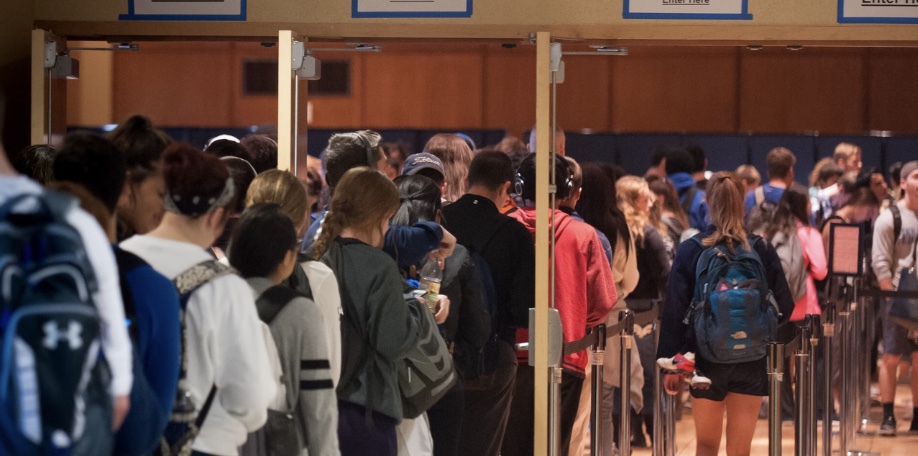
- Political activism has historically been centered on college campuses. Student organizations and political parties frequently collaborate to organize events, register voters, and offer educational materials. These programs foster a feeling of community among young voters in addition to raising voter turnout.
- Peer-to-Peer Campaigns
- Peer encouragement increases the likelihood that young people will cast ballots, according to research. In order to build relatability and trust with their communities, political campaigns frequently enlist youthful volunteers and organizers. Student and young activist-led text and phone banking campaigns are often part of these activities.
- Simplifying the Voting Process
- Political parties have begun providing tools and resources to facilitate voting because they understand that logistical obstacles can deter participation. They offer details on polling places, deadlines, mail-in voting choices, and voter registration, for instance. They enable more young people to vote by demythologizing the procedure.
- Engaging Influencers and Public Figures
- Young audiences are greatly influenced by influencers and celebrities. To spread their message, political parties work with well-known people. These collaborations, whether through social media campaigns or endorsements, can raise awareness and start discussions among first-time voters.
- Creative Campaign Content
- Parties want to make civic involvement fun and approachable, from meme campaigns to interactive political quizzes. These innovative strategies aid in simplifying difficult subjects into information that young people can understand and relate to.
Why It Matters
Political parties’ tactics are a reflection of the increasing awareness of the influence of young people in determining elections. You can make sure that your values are reflected in politics and assess how your vote is being courted critically by keeping up with these initiatives.
Recall Franklin D. Roosevelt’s advice as you get ready for the next elections and acknowledge that your vote is an essential instrument for change. It is ultimately up to you to take action, even though political parties may help engage you.
Ready to get involved? Visit our resources on futurevoterschroder.com to learn more about registering, upcoming deadlines, and how you can make your voice heard!

 Future Voters!
Leave a comment